Business Continuity Plan (BCP)

Maintaining Operations During Disruption

What is a Business Continuity Plan (BCP)?

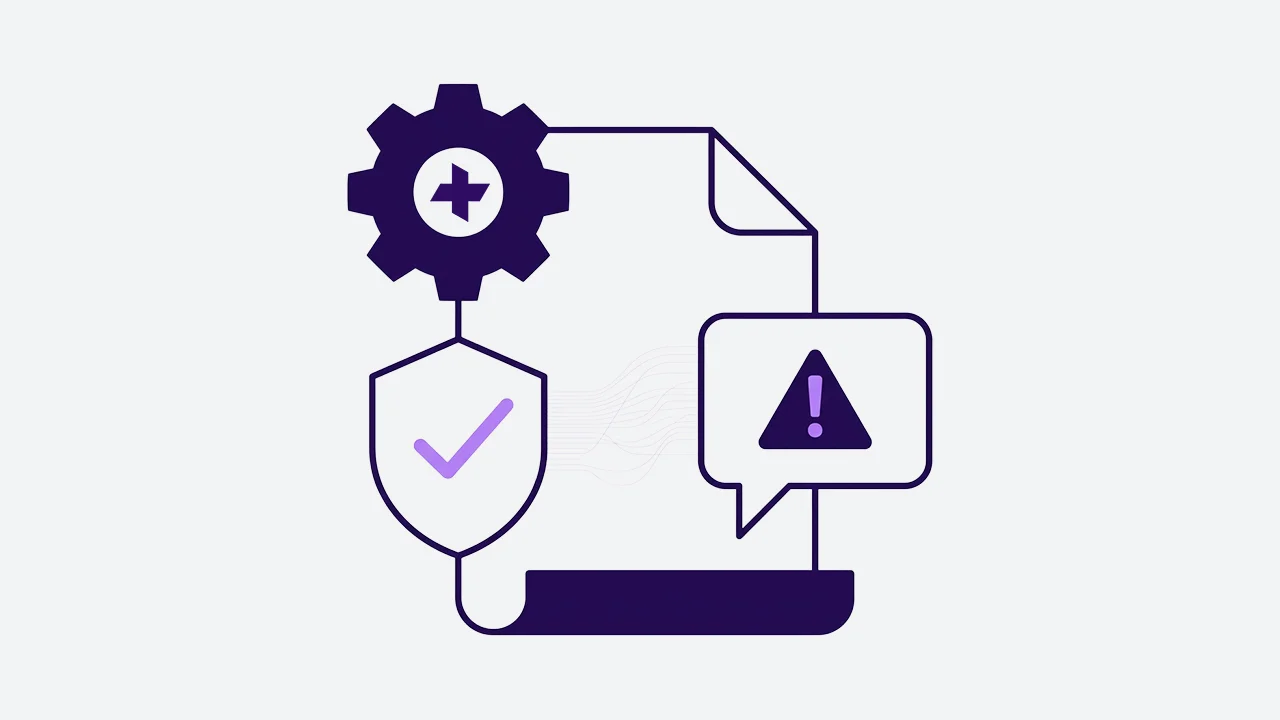
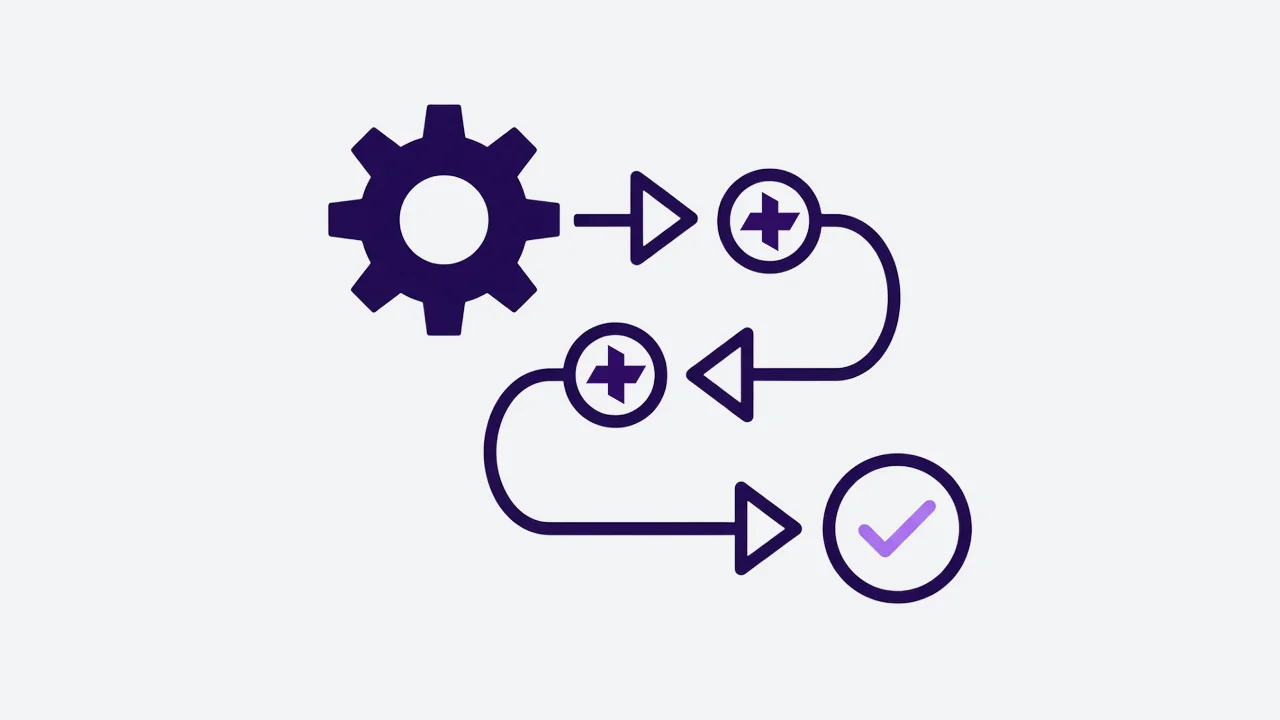
A Business Continuity Plan (BCP) is a strategic framework that outlines how an organization will continue operating during and after a disruption. It focuses on maintaining Critical Business Processes (CBP) and minimizing operational impact.

BCP is developed through Business Impact Analysis (BIA) and considers factors such as Maximum Tolerable Downtime (MTD) and Recovery objectives.

What is a Business Continuity Plan used for?

BCP is used to ensure that essential operations can continue despite incidents such as cyber attacks, system failures, or natural disasters. It supports organizational resilience and risk management.

Organizations use BCP alongside Disaster Recovery Plan (DRP) to align recovery strategies with Recovery Time Objective (RTO) and Recovery Point Objective (RPO).

אולי יעניין אותך

Cloud Security Posture Management (CSPM)
Cloud Configuration Risk Management
CSPM detects misconfigurations in cloud environments. Learn how it improves cloud security posture.
Physical Controls
Securing Physical Access to Assets
Physical controls protect facilities and hardware from unauthorized access. Learn how they support overall security.
Insider Threat
Risk from Internal Actors
Insider threats originate from within organizations. Learn how they occur and how to mitigate them.

שים לב!
כל שימוש באתר מחייב קודם כל הסכמה לתנאי השימוש, מדיניות הפרטיות ומדיניות העוגיות שלנו.
במידה ואינך מסכים לכולם ובמלואם, אל תשתמש באתר זה.